Core to restorative dentistry, dental crowns are used to protect worn or broken teeth, cover dental implants, anchor dental bridges, and complete root canal procedures. Over the last three decades, digital workflows have gradually replaced traditional methods. With higher accuracy, speed, and more consistent results, modern dentistry manufacturing processes are the preferred choice.
In the past, digital workflows used a combination of CAD/CAM software and CNC milling to make crowns. 3D printers could not make permanent crowns because the materials did not have the appropriate mechanical properties, and there was poor accuracy or fit. With recent advancements in 3D-printable resins, 3D printers can produce permanent crowns that meet mechanical property requirements and make them faster and more cost-effectively than CNC milling. 3D printing is streamlining the dental crown manufacturing process and can benefit labs and dental practices.
The traditional crown manufacturing method is an artisanal process that requires significant hands-on work. Typically a practitioner takes patient dental impressions and sends them to a lab. Next, a lab tech makes a mold, heats, cools, and polishes the metal, ceramic, or composite to form a wearable crown. With digital workflows, there are significantly fewer steps in the dental crown manufacturing process, and it is more accurate and repeatable.
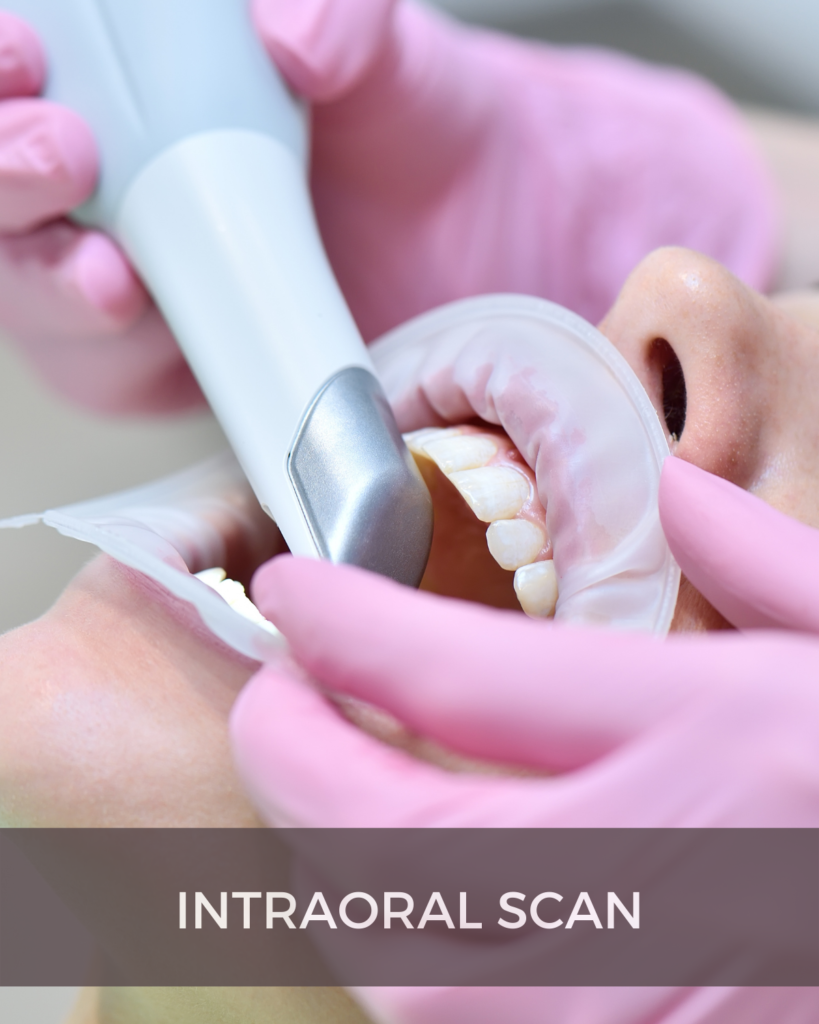
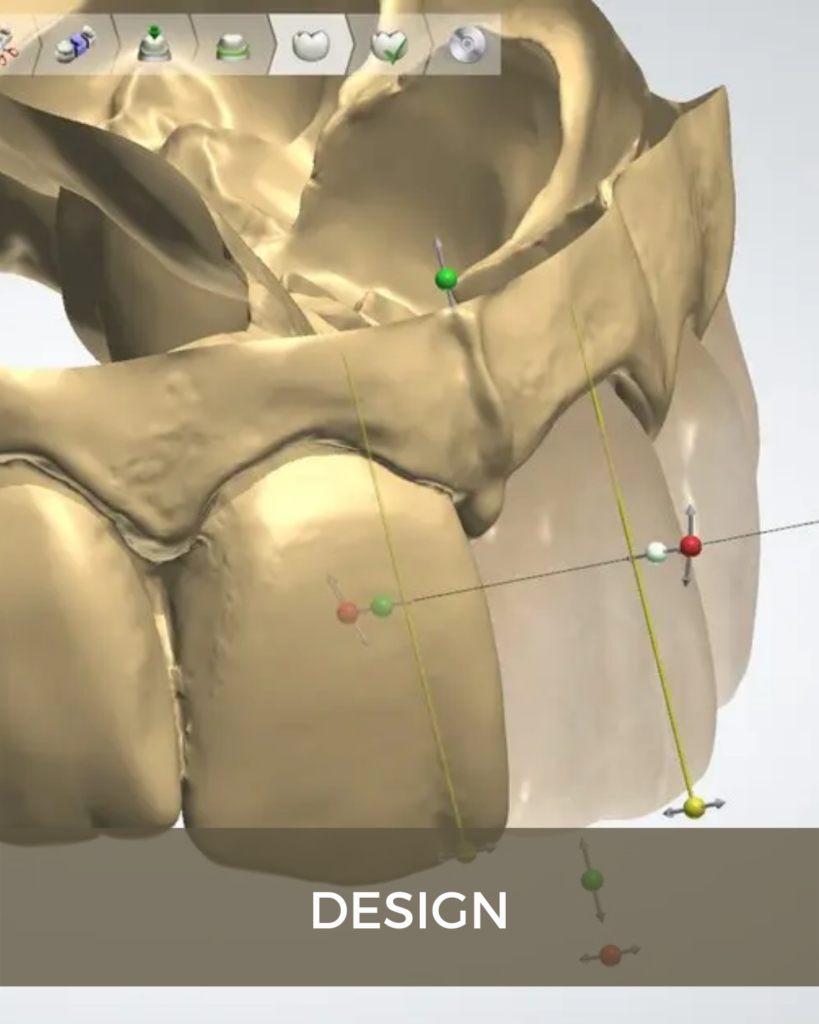
In a digital workflow, the dentist takes digital impressions of the patient’s teeth using an intraoral scanner. The files are processed using dental CAD software, and a model file exports as an STL file. If the digital workflow uses milling, a tech needs to convert the CAD model, mill the crown and perform various material-dependent post-processing steps to achieve the desired durability. The crown is then ready for placement in the patient’s mouth.
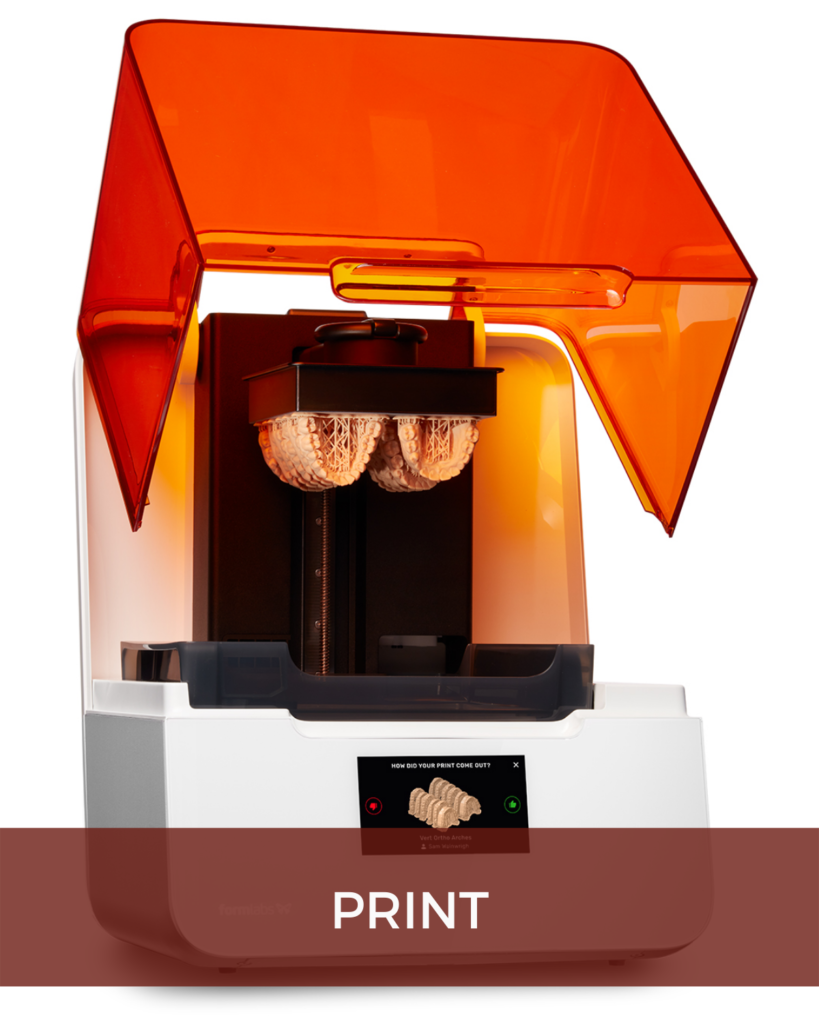
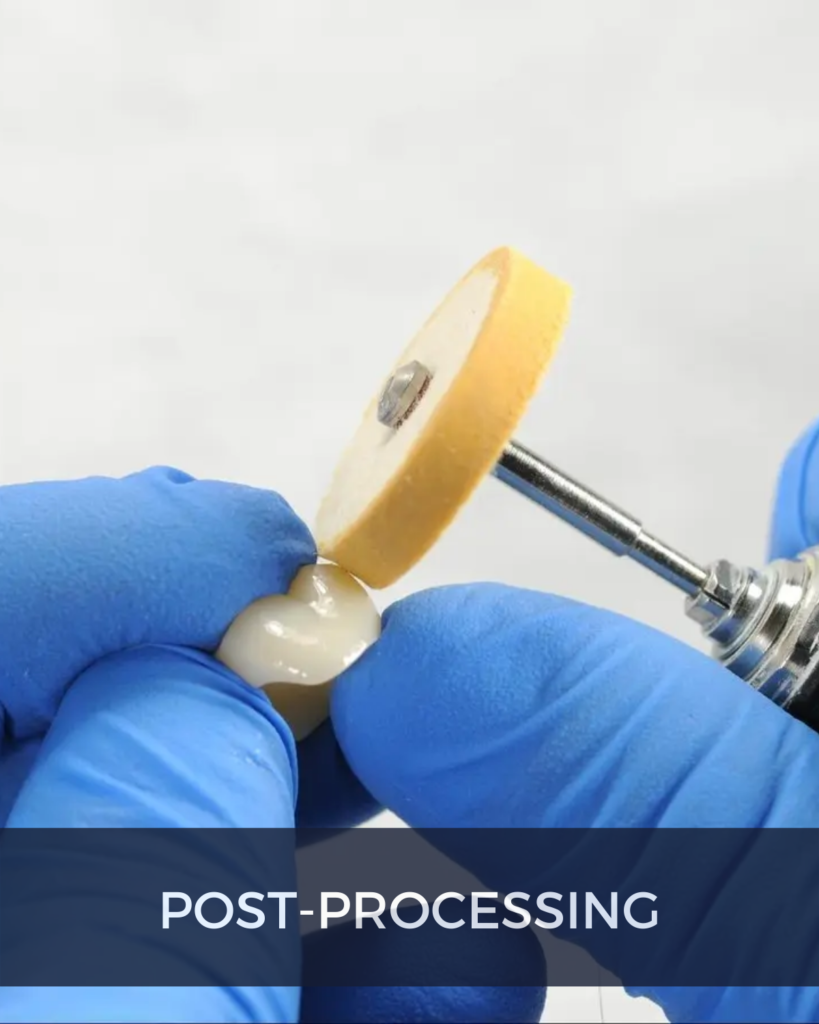
3D printing enables lab techs to simplify the digital workflow by replacing the labor-intensive aspects of dental crown post-processing. Preparing a milled crown for placement requires a combination of sintering, crystallization, glazing, and cooling, depending on the material. Techs simply remove the supports, wash, cure, and polish the 3D-printed crown before it is ready for the dentist to put in a patient’s mouth.
Formlabs has developed a novel newer 3D printing resin with Permanent Crown Resin in four main shades (A2, A3, B1 and C2). Touted as “the first hybrid material for 3D printing permanent restorations” we promote it to the market with iMAX Crown brand. Part of the challenge of making final zirconia ceramics or porcelain-metal crowns in implant dentistry is the laboratory cost and turn-around time. It takes between 10 and 30 days to fabricate a screw-retained implant crown and high cost per unit. When patients have a turn for the worse with their finances and life events, it can be difficult making it work. Being able to 3D print a permanent crown in 30-45 minutes and a fraction of the cost.